
If you are exploring whether weight watchers for moms is the right fit while managing PCOS, you already know that losing weight feels like a constant uphill battle. The hormonal chaos that comes with polycystic ovary syndrome can make even the most disciplined diet feel completely pointless when you are already dealing with exhaustion and a busy household. So when a program like WW promises a flexible, sustainable approach to weight loss, it’s natural to wonder if it could finally be the answer you’ve been searching for to fit your chaotic schedule.
But here’s the reality. Not every weight loss program works the same way for everyone, and PCOS throws some unique metabolic challenges into the mix—like stubborn insulin resistance and cortisol spikes—that most generic diet plans simply don’t account for.
In this post, we’re going to break it all down for you in plain, simple terms. We’ll look at how the points system actually works, how it lines up with the specific needs of someone managing PCOS, and whether it’s worth your precious time and money. By the end, you’ll have a much clearer picture of whether this popular program deserves a spot in your toolkit or if you should keep looking for something better suited to your daily needs. Let’s get into it!
Table of Contents
What Is Weight Watchers in 2026? The Reality of Workout Routines for Moms
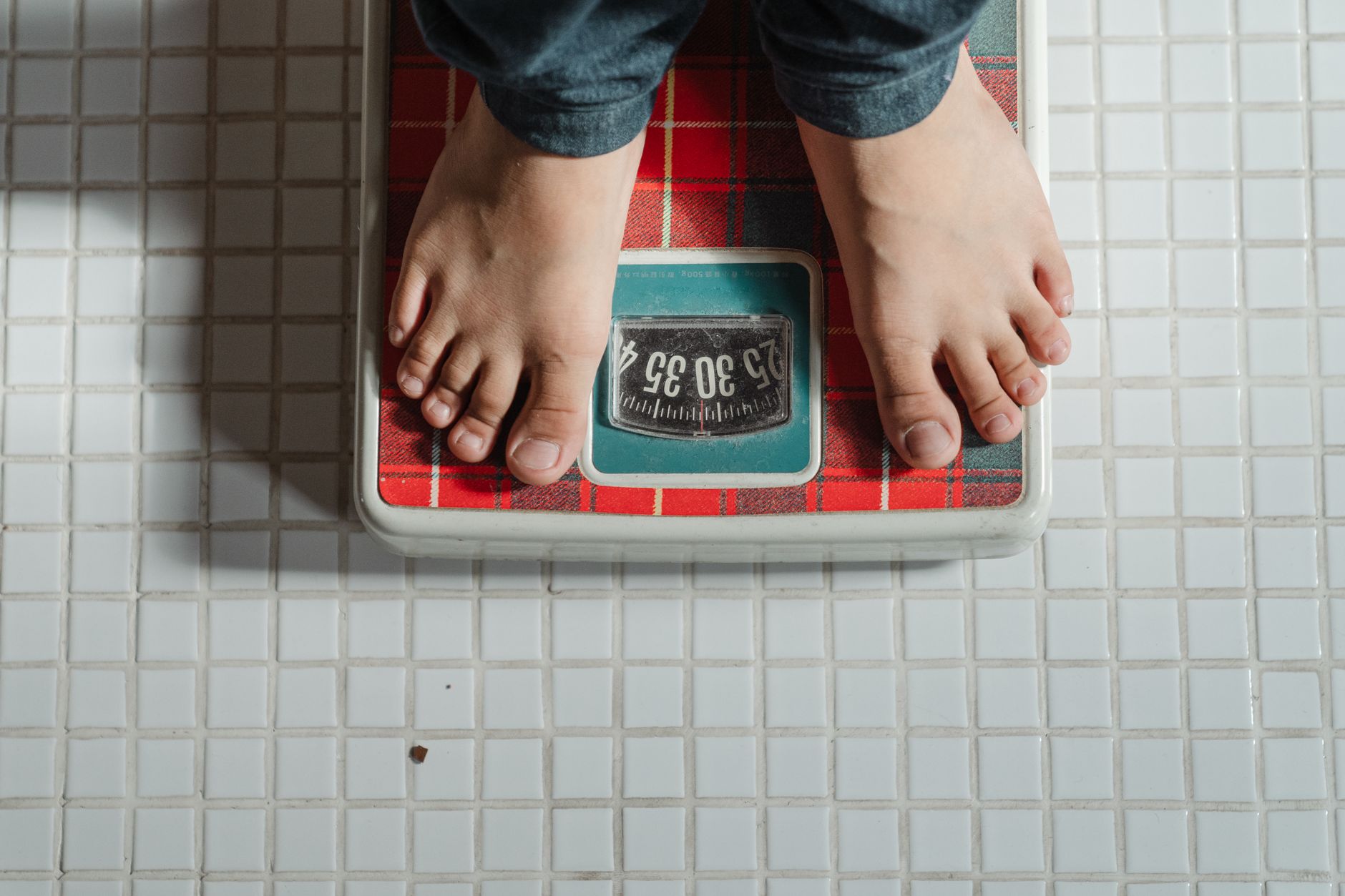
Okay, let’s cut through the rebrand fog and talk about what Weight Watchers actually looks like right now, because it has changed more than you’d think.
The foundation is still the Points system, but the ZeroPoint foods list has quietly become genuinely impressive. Over 350 foods now cost you zero Points, meaning you eat them without tracking, weighing, or doing mental math at 9pm when your brain has already clocked out. We’re talking lean meats like chicken breast, turkey, and lean ground beef, plus potatoes, sweet potatoes, oats, beans, eggs, corn, and all starchy vegetables. That’s actually a big deal for anyone with PCOS trying to build filling, blood-sugar-friendly meals without obsessing over every bite.
The Three App Modes (Flexibility That Actually Makes Sense)
The app now runs on three modes: Lose, Maintain, and All-In. Lose mode is your standard daily Points budget with some weekly bonus Points for real life. Maintain mode bumps your budget up a bit so you can hold steady without white-knuckling it through every birthday cake situation. All-In mode is the intense one, no weekly rollover Points, a push toward 150+ minutes of activity per week, and access to the new Weight Health Score. On paper, the ability to toggle between them sounds like it was designed by someone who actually understands that motivation is not a fixed setting.
Pricing (Here’s the Part Nobody Leads With)
All three tiers require a 12-month commitment, so just know what you’re signing up for. Core runs around $12 per month and covers the app, tracking, recipes, and the AI body scanner. Core+ sits around $22 per month and adds unlimited coaching and specialized programs. Med+ starts around $25 per month but climbs significantly after the intro period, and that tier is built around clinical care and GLP-1 prescription access, with medication costs billed separately.
The Weight Health Score and Specialized Tracks
The Weight Health Score is a 0 to 100 number that pulls together your nutrition tracking, sleep, movement, and body composition into one daily score. Think of it as a wellness report card that doesn’t make you cry when you check it. It’s available in All-In mode and actually rewards consistency over perfection, which feels like progress in the right direction.
Worth noting: WW now has specialized tracks for PCOS, menopause, postpartum and nursing moms, and GLP-1 medication users. These aren’t just vague menu tweaks. They’re structured programs built around hormonal and metabolic realities, which means if you’re managing PCOS alongside a busy schedule, you’re not completely invisible to the program design.
The Stuff WW Actually Gets Right
Look, I’m not here to be a WW cheerleader, but credit where it’s due. There are some things this program genuinely does well, and ignoring them just because the brand has had a chaotic few years would be intellectually dishonest. So let’s actually talk about the wins.
The “Nothing Is Forbidden” Thing Is More Important Than It Sounds
If you have any history of the restrict-binge cycle, the psychological weight of a diet that bans foods is real. You tell yourself you can’t have pizza, and suddenly pizza is all you think about at 11pm. WW’s approach of assigning Points rather than issuing food prison sentences is genuinely underrated for this exact reason. Nothing is morally off-limits. You just budget for it. That shift from “I’m not allowed” to “I’m choosing how to spend my Points” is a small mindset tweak that can quietly break a pattern that has derailed a lot of people for years.
12,000 Recipes Is Not a Marketing Gimmick
Meal planning fatigue is real, especially for busy moms who are already making approximately 47 decisions before 8am. The WW app sitting on over 12,000 recipes is not a throwaway stat. You can filter by ingredients you actually have, dietary needs, prep time, and Points value. For anyone staring blankly into a fridge at 6pm wondering what to make that won’t completely blow their goals, that database is genuinely useful. It removes the decision fatigue that sends most people straight to the drive-through.
The Science Backing Is Legit
Some programs are “backed by research” in the same way that a gas station sushi is “fresh.” WW is not that. With 60+ years of operation and 175+ published studies, including randomized controlled trials, the evidence base here is real. Participants in a 6-month randomized trial averaged 12 lbs lost. That is not a testimonial from someone’s cousin. That is peer-reviewed data. This is not a fad with a wellness podcast and a supplement line.
The GLP-1 Integration Is Actually Smart
If you are currently on or considering GLP-1 medications, this matters. Members who combined the medication with WW’s behavioral program lost 11% more weight than those using medication alone. Medication helps suppress appetite, but it does not teach you what to eat or build long-term habits. The program fills that gap, which becomes especially important once medication use changes.
Solo Tracking Has an Accountability Problem
Counting macros alone in a spreadsheet has the same accountability energy as making a New Year’s resolution to a houseplant. WW’s hybrid model of community, workshops, and coaching fills the gap that most solo tracking apps completely ignore. Having actual humans in your corner, even virtual ones, changes the follow-through rate more than most people expect.
Where WW Falls Short for PCOS Bodies
Here’s the thing nobody tells you when you sign up for WW with PCOS: the very features that make it so approachable for everyone else can quietly sabotage you. It’s not that WW is a bad program. It’s that your body is running different software, and the default settings were not written with your hormones in mind.
The Insulin Resistance Problem Nobody Warned You About
PCOS and insulin resistance are basically a package deal. Research from the WHO estimates that anywhere from 35 to 80 percent of women with PCOS have some degree of insulin resistance, depending on weight and other factors. What that means practically is that your body pumps out extra insulin trying to manage blood sugar, and that excess insulin tells your body to store fat, crank up androgen production, and absolutely destroy your willpower around carbohydrates. Great system. Very fun. 10 out of 10, would not recommend.
WW’s carb-friendly flexibility works beautifully for people without this metabolic wrinkle. But when your insulin response is already dysregulated, eating “freely” within a points budget can quietly keep blood sugar spiking all day without you ever realizing it’s the reason the scale is not moving.
The ZeroPoint Trap Is Real
Let’s talk about oats and potatoes, because this one genuinely frustrates me. Both are ZeroPoint foods on WW right now, which means the system treats them as essentially unlimited. For a metabolically typical person, sure. For someone with insulin resistance, a big bowl of oats or a baked potato on its own is a blood sugar event. The points system does not know that. It does not care. It just cheerfully tells you those foods are free while your insulin levels are having a full panic response in the background.
Hopkins Medicine’s PCOS diet guidance and other PCOS-focused clinicians consistently emphasize pairing carbohydrates with protein and fat to blunt glycemic impact. WW does not build this into the structure at all. You have to know to do it yourself.
The Protein Gap Is Where WW Really Loses PCOS Bodies
Clinical research is pretty clear on this one. A higher protein-to-carb ratio diet produced 4.4 kg greater fat loss over six months compared to a standard protein diet in women with PCOS. That is not a rounding error. That is a meaningful, real-world difference driven by the protein’s effect on insulin sensitivity, satiety, and muscle preservation.
Studies published through NIH support the broader picture of how hormonal and metabolic factors in PCOS require targeted nutritional strategies. PCOS-specific guidance generally lands on 1.2 to 1.6 grams of protein per kilogram of body weight daily, with 25 to 35 grams at each meal being the sweet spot. WW does not build this into the default framework. You can absolutely hit those targets using the app, but you have to actively hack the system to do it, choosing strategically, tracking protein separately, and essentially running your own plan inside the plan. That is extra work on top of an already exhausting condition.
The Hormonal Reality WW’s Content Mostly Glosses Over
WW has some PCOS articles. They are fine. They mention fiber, protein, and managing blood sugar in a general “yes these things matter” kind of way. What they do not meaningfully address is the specific chaos of living in a PCOS body: the post-meal energy crashes that make you want to lie on the floor, the carb cravings that feel genuinely compulsive because your insulin is all over the place, or the cortisol-belly fat connection that means a stressful week can literally change your weight independent of what you ate.
These are not small side notes. For a lot of us, these are the main reasons weight loss feels impossible. A points budget does not fix a cortisol spike. It does not explain why you did everything right and still felt like garbage by 3 PM. That gap between “general weight loss program” and “actual PCOS support” is exactly where WW comes up short, and it’s worth knowing that before you commit.
WW vs Just Tracking Protein for PCOS
Let’s get into the actual comparison here, because this is where things get real for your wallet, your brain cells, and your PCOS hormones.
The Cost Breakdown (a.k.a. What You’re Actually Paying For)
WW runs about $12/month for the basic digital plan and up to $22/month for Core+, usually locked into a 12-month commitment. Free macro tracking apps like MyFitnessPal or Cronometer cost exactly nothing for the basics, with barcode scanning and macro logging included. So what does that $12 to $22/month actually buy you? A structured Points system that does the math for you, access to 12,000+ recipes with Points already calculated, a community of actual humans who understand the struggle, and behavioral tools built by people with decades of research behind them. If you are the kind of person who needs a framework handed to you on a plate (no judgment, same), WW is genuinely worth considering. If you are comfortable logging food and hitting a number, a free macro tracking app will do the job without touching your bank account.
The 6pm Chaos Test
Here is the honest effort comparison. Points tracking means logging most of what you eat against a daily allowance, making trade-off decisions, and checking whether that dinner idea fits your remaining budget. Protein tracking means asking one question: does this hit my protein target? Grilled chicken, eggs, Greek yogurt, canned tuna. Done. For a genuinely exhausted mom with a toddler screaming and absolutely zero executive function left at dinnertime, fewer decisions usually wins. That said, WW does have ZeroPoint foods (lean meats, eggs, fish, plain Greek yogurt among them) that you can eat without tracking at all, which genuinely reduces the mental load if you lean into that feature hard.
The PCOS Effectiveness Gap
This is where the data actually matters. High-protein diets have direct clinical evidence for improving insulin sensitivity in women with PCOS, including reduced fasting insulin and better HOMA-IR scores compared to standard diets. Standard WW structure does not specifically target insulin resistance; it targets overall calorie management through Points. That is not nothing, but for a PCOS body where insulin dysfunction is often the core problem, hitting 25 to 35 grams of protein per meal has a more targeted mechanism than simply staying within your Points budget.
Where WW Actually Wins
Accountability is real. Community is real. Not having to think about macros when your brain is already running on fumes is extremely real. WW’s recipe library alone is a legitimate time-saver, and the behavioral support structure helps people stay consistent long-term in ways that solo tracking often does not.
The Lazy Middle-Ground Hack
Use WW, but treat high-protein ZeroPoint foods as your entire backbone. Chicken breast, eggs, fish, cottage cheese, plain Greek yogurt, lean ground turkey. Build every meal around those first, skip the oat-heavy and fruit-forward recipes that spike your blood sugar, and let the Points structure handle everything else. You get the community and accountability of WW with a protein-forward approach that actually addresses PCOS insulin resistance. Lazy, strategic, and genuinely effective.
Who Should Actually Sign Up for WW
So here is the honest breakdown of who WW is actually built for, and who should maybe sit this one out.
You know yourself, and you know that without some kind of check-in, you will absolutely ghost your own diet by week three. That is not a character flaw. That is just how most humans work, especially when life is chaotic and PCOS fatigue has you horizontal on the couch at 7pm. WW’s community element, the workshops, the app check-ins, the peer support, that stuff is genuinely hard to replicate on your own with a free calorie tracker. If accountability is the thing standing between you and quietly abandoning yet another health kick, WW actually delivers that infrastructure. Thousands of members cite the community as the reason they stayed consistent when they absolutely would not have otherwise.
If you are on a GLP-1 medication or seriously considering one, WW has become a legitimately strong companion program. Their integrated Med+ plan pairs behavioral coaching, nutrition support, and side effect management alongside the medication piece. The data backs this up; members using GLP-1 medications alongside a structured behavioral program lost 11% more weight than those using medication alone. The medication helps you want to eat less, but the program teaches you what to do with that window of opportunity so the results actually stick when dosages change.
If macro tracking made your brain short-circuit, the Points system might genuinely be your thing. It simplifies the math without completely ignoring it, which means you stay consistent instead of perfect, and consistent beats perfect every single time with PCOS.
Here is the PCOS-specific caveat though. WW tends to work better if your PCOS is more androgen-driven, think acne, hair stuff, irregular cycles without severe insulin resistance at the root. If metabolic dysfunction and insulin resistance are your main battle, the program’s flexibility around carbs may not give your blood sugar the structure it actually needs.
Budget reality check before you commit: if $22 per month feels like a stretch, look into the Healthi app before signing a 12-month WW contract. It mirrors the Points-style system at a fraction of the cost, around $45 per year, so you can test whether this approach even works for your brain before making a bigger financial commitment.
The Lazy Mom Verdict on Weight Watchers
Here is the honest bottom line: WW is a genuinely solid program for the general population. It is flexible, sustainable, and backed by real science. For PCOS bodies dealing with unmanaged insulin resistance, though, following it straight out of the box is a bit like buying a car with no gas. The structure is all there, but something critical is missing. The program was not designed specifically for the metabolic chaos that PCOS brings to the table, and that matters.
The hack that actually makes it work? Stop treating ZeroPoint foods as a free-for-all buffet and start treating the high-protein ones as your non-negotiable foundation. Build every single meal around chicken, turkey, eggs, or fish first. Then pile on the vegetables. Then, and only then, use your remaining points for whatever keeps you from rage-eating crackers at 10pm. This simple shift turns WW from a generic points game into something that actually addresses blood sugar stability and PCOS cravings without requiring you to become a nutritionist.
On the cost-to-effort front, Core plans start around $12 to $22 per month, and the app does most of the heavy lifting with barcode scanning, recipe suggestions, and automatic point calculations. For a busy mom already running on fumes, the learning curve is genuinely low. You are not building meal plans from scratch or memorizing macros. That counts for something.
Now, the real question: do the community features and app justify the subscription versus just eating more protein and going to bed earlier? Honestly, it depends on whether accountability actually motivates you or just stresses you out. The tools are good. The community is real. But if your budget is tight, the foundational habit of anchoring meals in protein gets you far without a monthly fee.
For lazy, PCOS-friendly meals that fit perfectly into the ZeroPoint protein framework without requiring any culinary ambition, check out the PCOS Weight Loss for Busy Moms guide, the 15 Low Carb High Protein Meals for PCOS, and the Protein on a Budget guide over at lazyfitmom.com. All the protein, none of the drama.
What to Do Next If You Are Still on the Fence
Here is the honest two-sentence recap before you close this tab: WW is genuinely great for accountability and flexibility, especially if you need a system that thinks for you on exhausted days. But if you have PCOS and insulin resistance, it needs protein-focused hacking to actually work with your hormones instead of accidentally against them.
The most useful thing you can do right now is grab the free WW trial and run it alongside a simple protein tracker at the same time. Aim for 30 grams of protein per meal and just see how the two systems feel in your actual life, not your aspirational life. One week of real data tells you more than any comparison article ever could, including this one.
And here is the thing worth tattooing somewhere: no program works if it requires more willpower than you have on a Tuesday night with three kids, a PCOS headache, and approximately zero desire to make good choices. Sustainable beats perfect every single time. If WW feels like a second job after day three, that is useful information, not a personal failure.
If you already know the points app is not your vibe and you just want the lazy, protein-first, PCOS-friendly path, check out the high-protein lazy meals and PCOS cravings hacks on lazyfitmom.com for the no-app version of this whole thing.
Conclusion
Managing PCOS weight loss is genuinely hard, but having the right tools makes a real difference. Here is what to keep in mind as you move forward.
Weight Watchers offers flexibility and structure that can work for PCOS, but it is not a magic fix. The program does not specifically address insulin resistance or hormonal imbalances, so pairing it with PCOS-focused nutrition strategies is essential. Tracking and community support are genuine strengths, but you may need to customize your approach to see real results.
The bottom line is that Weight Watchers can be a useful piece of your PCOS management plan, not the whole picture.
Ready to take the next step? Talk to your doctor or a registered dietitian who understands PCOS before committing to any program. You deserve a strategy built around your body, not just a generic plan. You’ve got this.
⚡ Simplify Your Kitchen & Reclaim Your Energy
Dropping weight shouldn’t mean spending your entire day tracking numbers on an app. Pair your health journey with realistic, mom-tested systems and low-effort shortcuts:
📚 More Practical Nutrition & Lifestyle Guides
- The Zero-Stress Cooking Strategy: Skip the complicated point systems and try our favorite Lazy Low Calorie Meal Prep for Moms.
- The Ultimate High-Protein Round-Up: Keep your meals simple, filling, and macro-friendly with our Easy Low-Calorie High-Protein Meals.
- The Hormone Balancing Blueprint: Learn how to align your nutrition with your metabolism using our complete PCOS Diet Plan for Weight Loss.
- Real-Life Transformation: Read my personal, authentic story on How I Lost 25kg in 6 Months using simple, sustainable habits.
🛠️ Grab Your Lazy Fat Loss Shortcuts & Trackers
Take the heavy planning, guesswork, and mental fatigue completely out of your kitchen with these ready-to-use digital tools:
- 🎁 Free Download: Reset your daily momentum and start building consistency with our free 3-Day Postpartum Fat Loss Kickstart.
- 🍳 Clean Up Your Kitchen: Ready to stop staring blankly at the fridge? Grab The LazyFitMom PCOS Kitchen Reset System to streamline your meals and grocery lists instantly.
- 🔄 The Complete Daily Tracker: Take absolute control of your schedule, tracking, and wellness goals with The 30-Day Fatloss Routine For Busy Moms.
- ⏱️ The Quick Lifestyle Shift: Short on time and low on energy? Reset your baseline habits in just seven days with our 7-Day Lazy Lifestyle Reset Guide.
Leave a Reply